Empowering small & medium power-loom units, keepers of Pakistan’s woven fabric legacy. Pakistan’s power-loom sector supplies the country’s textile value chain with the vital grey cloth and woven fabrics that feed dyeing, printing, processing, and garmenting houses. Small and medium power-loom units—family workshops, residential and light-industrial clusters—represent the largest and most dispersed component of that sector. PSUPLA is the dedicated representative body formed to protect, modernize, and expand the contribution of these units to national employment, exports, and regional development.
PSUPLA (Pakistan Small Units Power Loom Association) is an industry body registered to represent the interests of small and medium power-loom units across Pakistan. Our membership spans single-owner workshops to family-run clusters averaging 8–50 looms, with concentrations in Faisalabad, Karachi, Multan, Kasur and surrounding districts.
We exist because the needs of small loom owners (energy affordability, patchy access to finance, lack of export linkages, and labour welfare) are different from the large, vertically integrated mills. PSUPLA’s mandate is to create collective solutions — public policy engagement, joint procurement, technical upgrades and worker welfare — that preserve jobs while improving productivity and product quality.
Evidence & context: the size and vulnerability of the power-loom base has been documented in cluster reports and media coverage; SMEDA and investigative reports estimate roughly 300,000 installed looms in Pakistan, with significant concentration in Faisalabad.
PSUPLA’s ambition is to ensure that small and medium power-loom units are sustainable, competitive and socially responsible so they contribute meaningfully to Pakistan’s exports and to inclusive economic development.
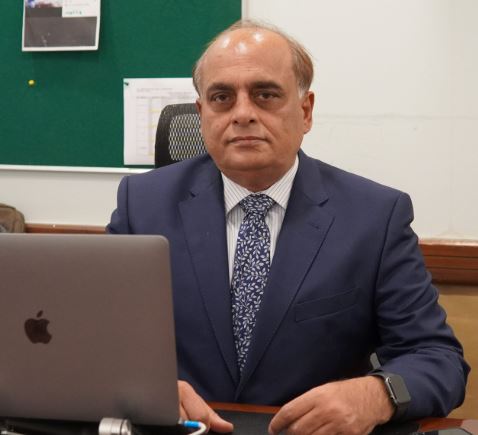
“When I walk through Ghulam Muhammad Abad, Samanabad and the Korangi workshops I see skill, heritage and a determination that ought to be the envy of any industry. Yet the last five years have been brutally difficult — rising electricity bills, unreliable supplies, higher yarn prices, and policy shocks have forced many good families to close their shutters. PSUPLA was formed to bring a unified voice to those families. Our goal is simple: preserve jobs, enable sustainable modernization, and ensure that the contributions of small units are recognized in policy and commerce. We will work relentlessly with government, with banks, and with international partners to secure special energy and financing arrangements, training programs, and market access for our members.”
Chairman, PSUPLA